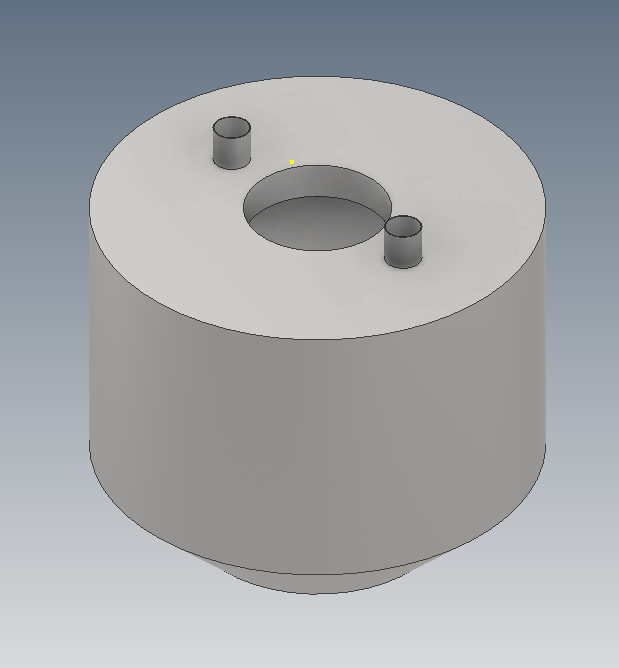
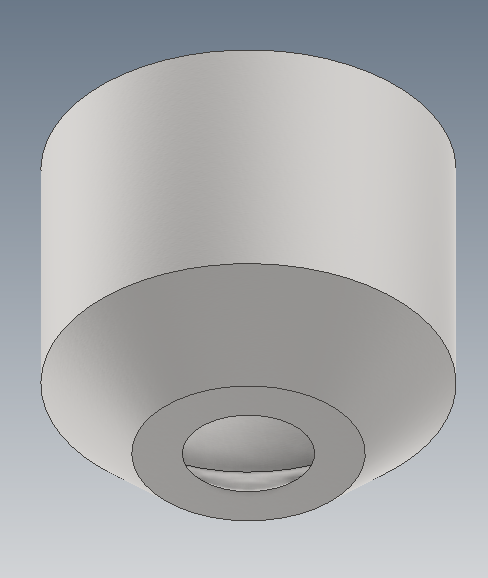
My name is Muhammad Ikhsan Rahadian, from the Sustainable Energy Conversion class. Below is the pyrolysis reactor with a heat exchanger.
And below, is the CFD Heat Transfer Analysis of the pyrolysis reactor
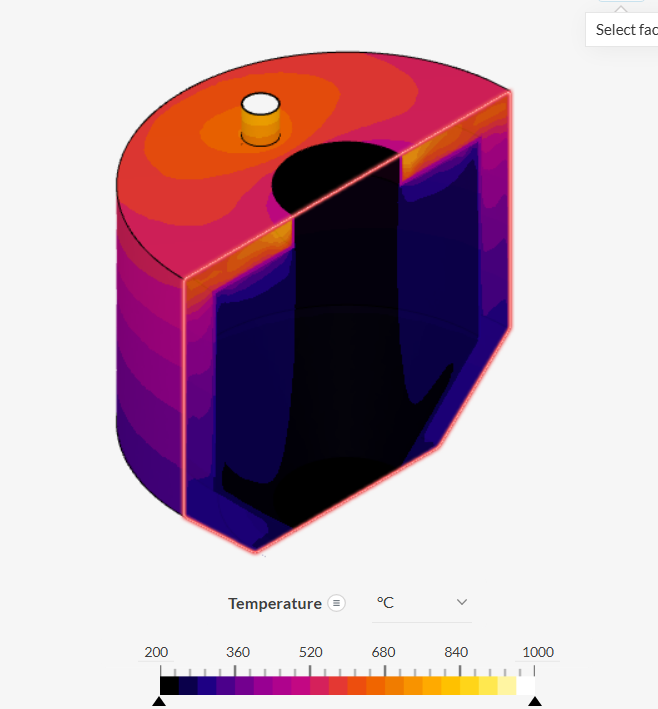
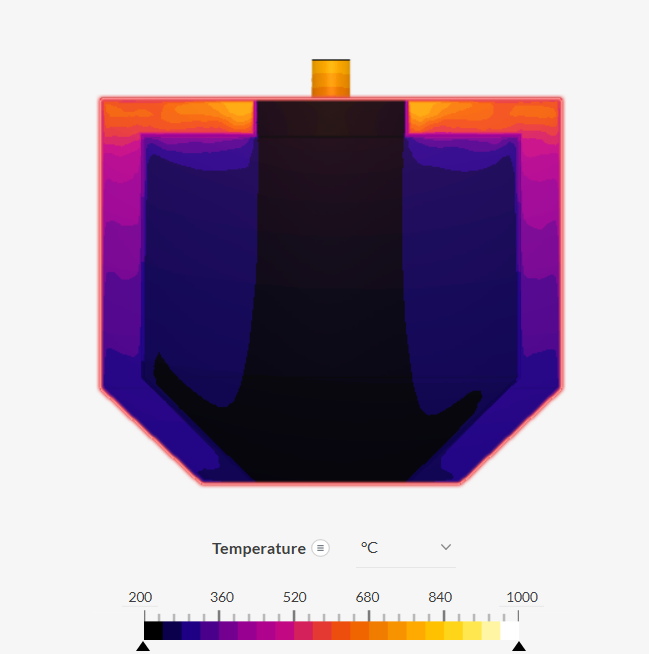
The thermal simulation of the pyrolysis reactor reveals a significant temperature gradient, with the outer shell exhibiting higher temperatures (orange/red) compared to the cooler core (blue/black). This suggests that heat is primarily being supplied from the outer surface or a top inlet. The dominant heat transfer mechanisms in the reactor include conduction through the walls and internal solids, convection if gases are present, and radiation, which becomes significant at temperatures above 500°C.
A key concern is the uneven heat distribution, where the core remains considerably cooler than the outer shell. This could lead to incomplete pyrolysis if biomass is in colder regions. To enhance thermal efficiency, improvements such as better insulation, optimized reactor geometry, and internal mixing should be considered. Strategies like adding baffles, using rotating mechanisms, or implementing fluidized bed designs can help distribute heat more evenly. Additionally, increasing the heat transfer surface area with fins or extended surfaces and incorporating forced convection or internal gas recirculation could further improve temperature uniformity. These modifications can enhance reactor performance, ensuring efficient and consistent pyrolysis.
