Cesn Ation
Blog entry by Cesn Ation
The Complete Guide to Research Peptides for Science, Health, and Biohacking
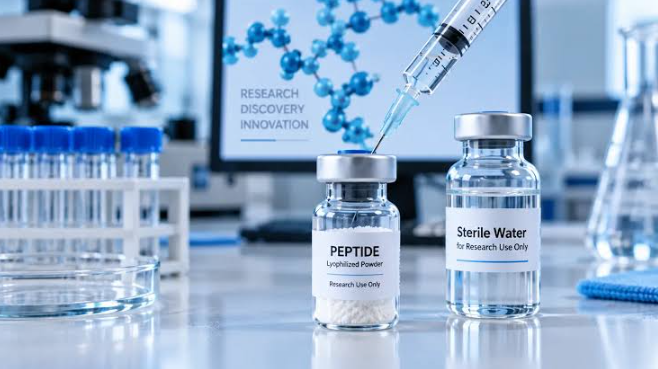
Understanding the science behind advanced biochemical compounds has become a major focus for researchers, fitness enthusiasts, and science advocates. Among these compounds, research peptides have gained immense popularity for their potential in scientific studies regarding tissue repair, muscle growth, metabolic processes, and overall wellness. This comprehensive overview explores what peptides are, their benefits, and how key compounds like retatrutide peptide are reshaping modern laboratory research.
Understanding Peptides and How They Work
To understand peptide therapy, it helps to start with the fundamental biology. What are peptides? Simply put, peptides are short chains of amino acids linked together by peptide bonds. Amino acids are the fundamental building blocks of proteins. While proteins consist of long, complex chains containing fifty or more amino acids, peptides are shorter sequences, typically containing between two and fifty amino acids.
Because of their smaller molecular size, peptides can be easily absorbed and utilized by the body to send specific cellular signals. These biological messengers bind to cell surface receptors, triggering target reactions that regulate hormonal balance, cellular repair, immunity, and tissue regeneration.
Essential Benefits of Peptides in Modern Research
Scientists studying peptide supplements and therapeutic compounds have uncovered numerous potential biological benefits. Because peptides mirror natural biological signaling pathways, their applications cover a wide spectrum of health and performance domains.
Key biological functions include:
- Enhanced cellular signaling for localized tissue repair
- Optimized biological recovery following intense physical activity or physical stress
- Modulation of metabolic processes to aid in targeted research initiatives
- Support for muscle tissue preservation and growth mechanisms
- Accelerated collagen synthesis for skin, joint, and connective tissue integrity
Peptides for Muscle Growth and Physical Recovery
In performance and biohacking science, specific signaling molecules are frequently studied for their influence on muscle protein synthesis and recovery times. Peptides for muscle growth work by stimulating the secretion of growth hormone or influencing metabolic pathways that enhance muscular hypertrophy and cellular repair.
Furthermore, peptides for recovery help accelerate tissue repair after grueling workouts or injury models. By promoting vascularization and reducing localized inflammatory markers, compounds such as BPC-157, TB-500, and short-chain amino acid blends assist in cartilage, tendon, and muscle recovery. For researchers investigating systemic repair, peptides for tissue repair offer targeted cellular protocols that go far beyond traditional supplementation.
Weight Loss Peptides and metabolic Innovation
Metabolic health remains one of the most dynamic sectors in biohacking and biological research. Weight loss peptides have gained high demand due to their ability to regulate glucose metabolism, appetite signals, and lipolysis.
Among these advanced developments, retatrutide peptide stands out as a groundbreaking compound in clinical trials. As a triple hormone receptor agonist targeting GLP-1, GIP, and glucagon receptors, retatrutide helps optimize energy expenditure, support glucose control, and regulate fat metabolism at unprecedented rates. The inclusion of such advanced compounds allows researchers to explore next-generation solutions for metabolic wellness and fat oxidation.
The Intersection of Biohacking Supplements and Peptide Therapy
As interest in human longevity increases, biohacking supplements derived from peptide research are leading modern wellness discussions. Peptide therapy involves using targeted amino acid sequences to optimize biological pathways, restore declining hormone levels, and promote longevity.
Unlike synthetic chemicals that disrupt physiological systems, peptides work harmoniously with existing receptors. This targeted approach minimizes unwanted interference while maximizing beneficial biological signals, making peptide therapy a favored avenue for health optimization and anti-aging research.
How to Reconstitute Peptides Safely
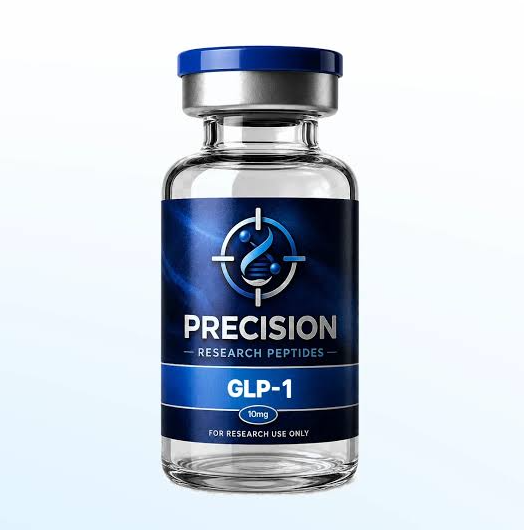
For accurate research outcomes, proper preparation of laboratory peptides is vital. Lyophilized peptide powders require exact reconstitution techniques prior to study or application. Knowing how to reconstitute peptides correctly ensures maximum stability and efficacy.
Step-by-step reconstitution principles:
- Gather necessary supplies including bacteriostatic water, alcohol prep pads, a sterile mixing syringe, and the peptide vial.
- Clean the rubber stoppers of both the bacteriostatic water vial and the peptide vial thoroughly with alcohol prep pads.
- Draw the exact required volume of bacteriostatic water into the syringe.
- Slowly inject the water down the inside glass wall of the peptide vial to prevent breaking delicate molecular bonds.
- Swirl the vial gently until the lyophilizate dissolves completely; avoid vigorous shaking.
- Store the reconstituted liquid solution in a controlled refrigerated environment.
Conclusion
Research peptides continue to transform scientific understanding of cellular communication, biological recovery, and metabolic health. From retatrutide peptide in metabolic research to peptides for muscle growth and tissue repair, these targeted compounds hold immense potential for the future of wellness and longevity. By utilizing high-purity research compounds and proper handling techniques, researchers and scientists can continue unlocking the full potential of advanced peptide therapy.