Cesn Ation
Blog entry by Cesn Ation
CNC Turning Machining for Precision Parts and Reliable Manufacturing
Introduction
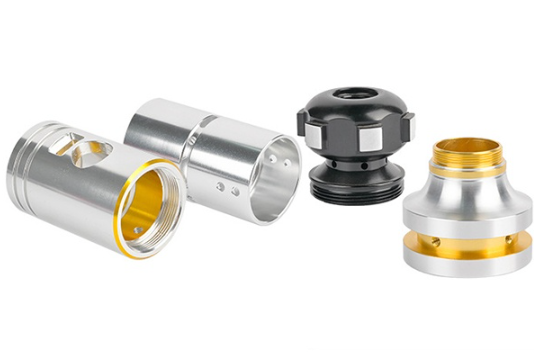
CNC turning machining is one of the most important manufacturing processes for producing accurate and consistent cylindrical components. Industries around the world depend on this technology to manufacture parts with excellent dimensional accuracy, smooth surface finishes, and reliable performance. From automotive components to medical equipment and industrial machinery, CNC turning plays a critical role in modern production.
Manufacturers that combine advanced equipment with experienced engineers can produce custom components in a wide range of materials while maintaining high quality standards and competitive pricing. Whether producing a single prototype or a large production run, CNC turning machining offers an efficient solution for precision manufacturing.
What Is CNC Turning Machining
CNC turning machining is a computer controlled manufacturing process in which a workpiece rotates while a cutting tool removes material to create the desired shape. The automated control system follows digital instructions to achieve extremely accurate dimensions and repeatable results.
Unlike traditional manual turning, CNC technology reduces human error and allows complex geometries to be produced with outstanding consistency. This makes the process suitable for industries where precision is essential.
Benefits of CNC Turning Machining
High Precision
Modern CNC turning machines can achieve extremely tight tolerances, making them ideal for manufacturing parts that require exact dimensions and reliable performance.
Excellent Production Efficiency
Automation enables continuous production with minimal interruptions. This improves productivity while reducing manufacturing time for both small and large orders.
Consistent Product Quality
Computer controlled operations ensure every component is produced according to the same specifications, resulting in uniform quality throughout the production process.
Cost Effective Manufacturing
Efficient machining operations reduce material waste, lower labor costs, and improve overall production efficiency. These advantages help businesses maintain competitive pricing without compromising quality.
Flexible Material Selection
CNC turning machining supports a wide variety of engineering materials, allowing manufacturers to select the most suitable option for each application.
Common Materials Used in CNC Turning Machining
Bronze
Bronze is widely used because of its excellent wear resistance, corrosion resistance, and strength. It is commonly selected for bearings, bushings, gears, marine equipment, and industrial machinery components.
Acrylic
Acrylic is a lightweight plastic known for its optical clarity and weather resistance. It is frequently used for transparent components, display products, lighting applications, and decorative parts that require attractive surface finishes.
Aluminum
Aluminum provides an excellent combination of strength, lightweight properties, and corrosion resistance. It is commonly used in aerospace, electronics, automotive, and consumer products.
Stainless Steel
Stainless steel offers exceptional durability, corrosion resistance, and mechanical strength, making it suitable for medical devices, food processing equipment, and industrial applications.
Brass
Brass is easy to machine and provides excellent electrical conductivity along with an attractive appearance. It is commonly used for electrical connectors, plumbing components, valves, and decorative hardware.
Industries That Depend on CNC Turning Machining
Many industries rely on CNC turning machining to manufacture precision parts that meet demanding performance requirements.
Automotive Industry
Automotive manufacturers use CNC turned components for engine systems, transmission assemblies, steering mechanisms, braking systems, and suspension parts.
Aerospace Industry
Aircraft components require strict dimensional accuracy and dependable material performance. CNC turning helps produce lightweight and high precision aerospace parts.
Medical Industry
Medical equipment manufacturers require highly accurate components for surgical instruments, implants, laboratory equipment, and diagnostic devices.
Electronics Industry
Electronic products often contain small precision components that require excellent dimensional control and smooth finishes for proper assembly.
Industrial Equipment
Industrial machines depend on durable shafts, bushings, couplings, fittings, and other custom components manufactured through CNC turning machining.
Why Material Quality Matters
Selecting high quality raw materials is essential for producing reliable finished components. Material quality directly affects durability, machining performance, corrosion resistance, and long term reliability.
Experienced manufacturers carefully inspect incoming materials before machining begins. This helps ensure every finished part meets customer specifications and performs reliably in its intended application.
Precision Inspection and Quality Control
Quality control is an important part of every CNC turning machining project. Professional manufacturers use advanced inspection equipment to verify dimensions throughout the production process.
Inspection procedures often include dimensional measurement, surface finish evaluation, tolerance verification, and final product inspection before shipment. These quality assurance practices help maintain consistent manufacturing standards.
Custom CNC Turning Solutions
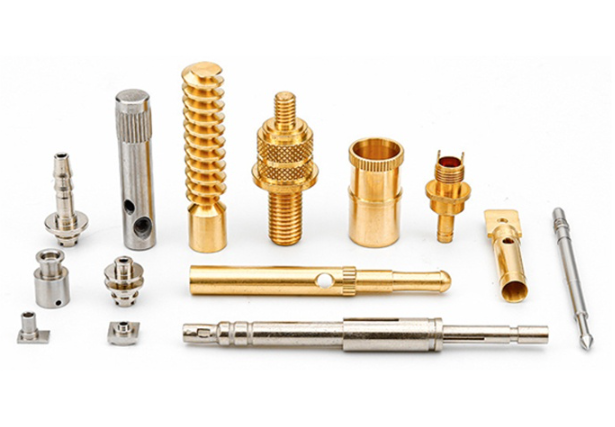
Every project has unique design requirements. Professional CNC machining services provide customized manufacturing solutions based on customer drawings, specifications, and performance expectations.
Custom machining capabilities include prototype development, low volume production, and large scale manufacturing. Flexible production planning allows manufacturers to support projects of different sizes while maintaining consistent quality.
Factors to Consider When Choosing a CNC Turning Manufacturer
Choosing the right manufacturing partner can significantly influence product quality and project success.
Important factors include production experience, advanced machining equipment, engineering expertise, quality management systems, material selection, competitive pricing, and reliable delivery schedules.
A manufacturer that offers comprehensive machining capabilities can simplify production while helping customers achieve better results with reduced lead times.
Future Trends in CNC Turning Machining
The manufacturing industry continues to adopt advanced technologies that improve productivity and precision. Automation, intelligent monitoring systems, digital manufacturing, and advanced software programming are helping CNC turning machining become even more efficient.
These innovations allow manufacturers to improve quality, reduce production costs, minimize waste, and respond more quickly to changing customer requirements.
Conclusion
CNC turning machining continues to be one of the most reliable and efficient manufacturing methods for producing high precision components across many industries. Its ability to deliver consistent quality, tight tolerances, flexible material options, and cost effective production makes it an ideal solution for both prototype development and mass manufacturing. By combining advanced machining technology with strict quality control and skilled engineering, manufacturers can produce durable bronze, acrylic, and other custom parts that meet demanding performance requirements while supporting the evolving needs of modern industries.